EVENT
【Sanriku’s Festival】Hashikami town’s Southern Geinoh Recital 2026.3.22 (Sun.)
- 2025
- Appreciation
-
Date
Mar.22(Sun),2026
-
Time
10:00am-2:pm
-
Locate
Heartful-plaza Hashikami
-
Fee
Admission free
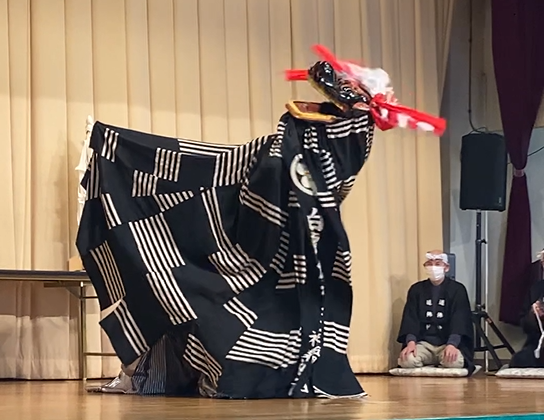
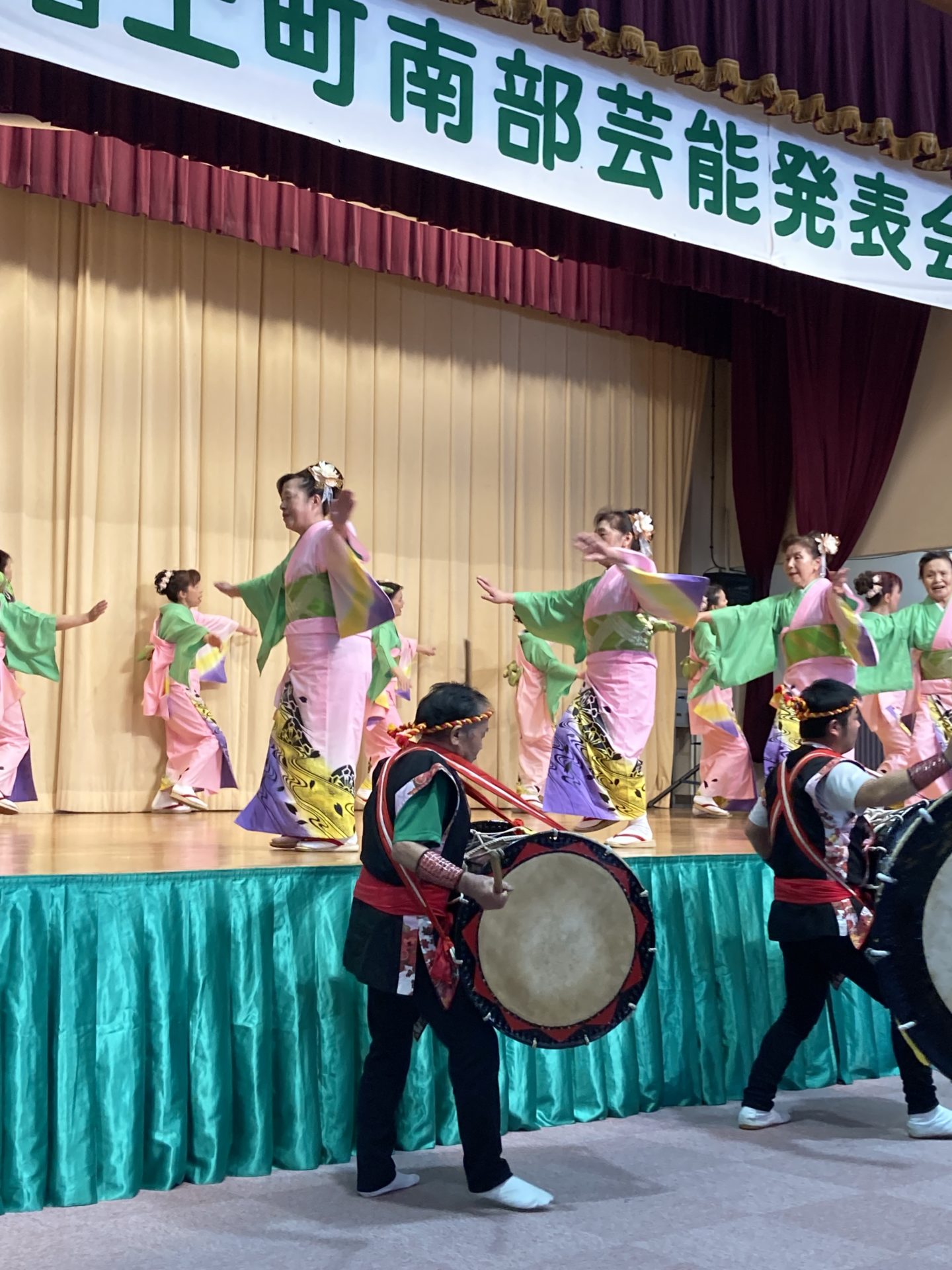
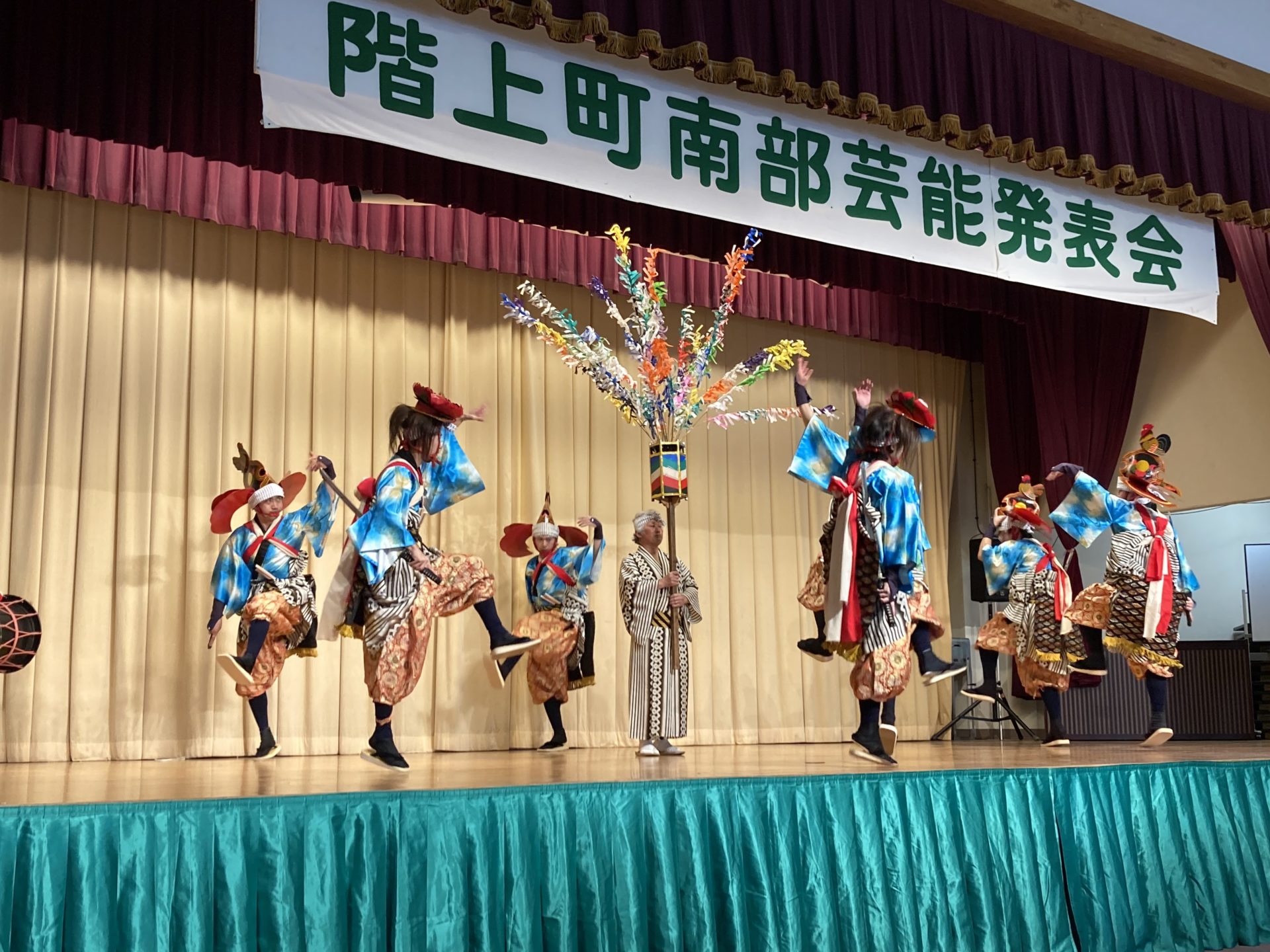
Geinoh groups from Hashikami town will gather to showcase their daily trainings, and local Geinoh performers such as new dances, folk dances, and minyo (folk songs) showcase their performance at this annual event. Please enjoy the rich variety of performances.
Venue
Heartful Plaza Hashikami (1-182 Tentotai, Dobutsu, Hashikami town)
Access
Access model from Tokyo (If you use public transportation, you will need to stay the night before.)
Day 1, March 21 (Sat.)
| Schedule, Departure – Arrival | Transportation and Remarks |
|---|---|
| 09:08 Tokyo Station – Hachinohe Station 12:01 | JR Tohoku Shinkansen Hayabusa No.1 bound for Shin-Hakodate-Hokuto |
| 12:24 Hachinohe Station – Hashikami Station 13:09 | JR Hachinohe Line, bound for Kuji |
| Sightseeing in Hashikami town Accommodation around Hashikami town |
Day 2, March 22 (Sun.)
| Schedule, Departure – Arrival | remarks |
|---|---|
| 10:00 Hashikami town’s Southern Geinoh Recital viewing Concert ends at 14:00 (scheduled) | Venue: Heartfull Hashikami |
| Sightseeing around the venue | |
| 17:55 Hashikami Station – Hachinohe Station 18:44 | JR Hachinohe Line bound for Hachinohe |
| 18:56 Hachinohe Station – Tokyo Station 21:48 | JR Tohoku Shinkansen Hayabusa 64 |
Nearby sightseeing spots’ Information
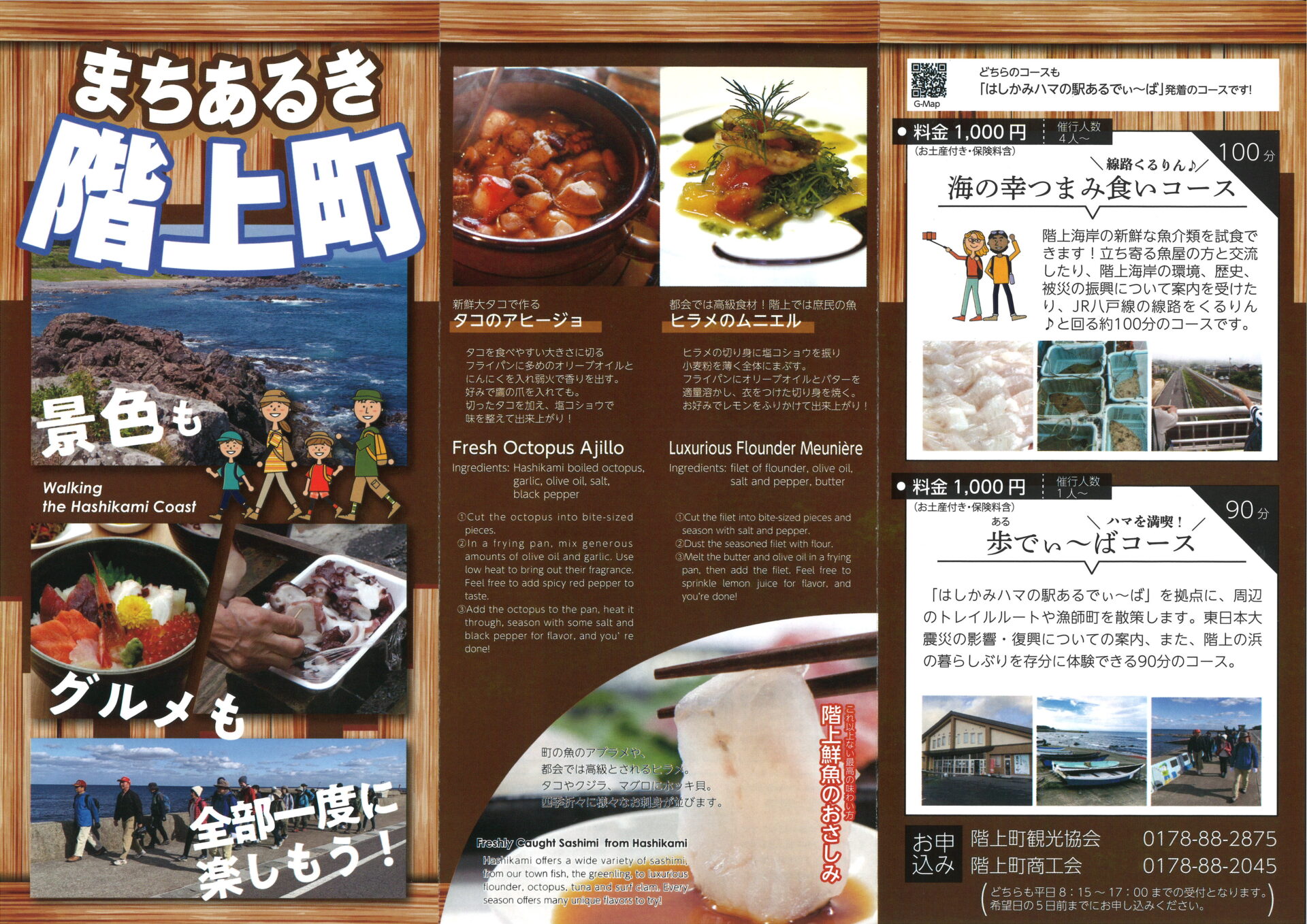
Hashikami Hama no Eki: Aldiva・Walking the Hashikami Coast
This popular spot offers rare local fish that are not easily available at reasonable prices. The restaurant offers seafood, pizza and pasta, along with a view of the Hashikami coast. This restaurant also serves as a base for exploring Hashikami town, so please come and explore the town to your heart’s content.


| Location | 203-208, Oojya, Ooji Doubutsuji, Hashikami-cho, Sannohe-gun, Aomori |
| Business Hours | Winter (December-March) Facility opening hours 10:00-17:00 Restaurant Mar 10:30-16:00 (LO 15:50) Snack sales (Appa Kacchaa’s) 10:00-16:00 |
| Closed day | Every Monday (Tuesday if Monday is a national holiday) Year-end and New Year’s (Temporal closure possibly happen) |
| URL | https://aldiva.jp/ |
| Walking the Hashikami Coast | Hashikami town pamphlet PDF Walking the Hashikami Coastal Tour |
Kannon Jaya East Gate
The tea cafe is located in the mountains of Mt. Hashikami-dake (740m high), and across from Terashita Kannon, which is said to have been founded by Gyoki in the Kamakura period (1185-1333). This cafe is a jazz cafe in the old Japaneses private house style.
In addition to their relaxing space, their coffee and Hashikami’s specialty “Hashikami Soba,” handmade by the owner are very delicious.
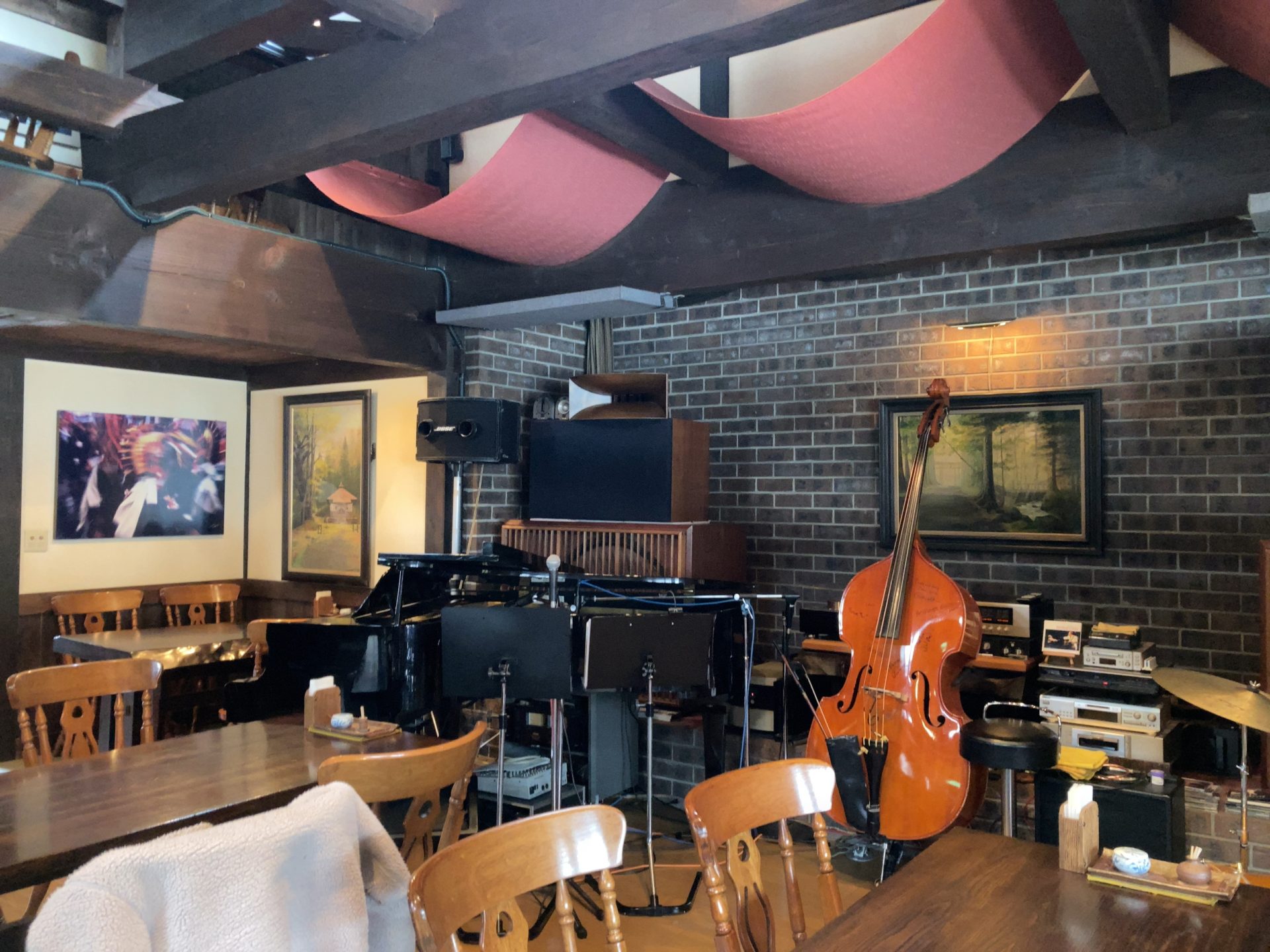
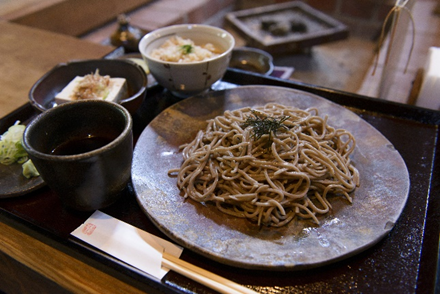
| Location | 13-1, Terashita, Akabonai, Hashikami town, Sannohe gun |
| Business Hours | 11:00-15:00 |
| Closing days | Tuesdays (open on national holidays) |
| URL | https://www.t-toumon.jp/toumon/ |
For more tourist information → https://www.town.hashikami.lg.jp/index.cfm/8,html
Areas
出演団体
Toyabe Enbuiri-Gumi
Tashiro Enbuiri-Gumi
Hiranai Keibai Group
Dobutsu kagura-gumi
Guest:Takisawa Keibai Preservation Society (Hirono Town)
etc.
Artists
-
Hiranai Enburi Gumi Group
The Hiranai Enburi inherits an older form called naga enburi (slow enburi) which is played in septuple meter with slow and soft movement of body. It is performed by three dancers; the front called Tokuro wearing eboshi with red peony flower, the middle, and the rear called kurodome. The uniqueness of the Hiranai Enburi is found in its fidelity to traditional form of song, dance and tone of the flute.
-
Tashiro Enburi Gumi Group
The Tashiro Enburi is said to be converted from a traditional rice-transplanting ritual with acceptance of another enburi in quintuple meter practiced in Sugisawa community, former Tabe village (currently Fukuchi, Nanbu town). It has a local characteristic in the tone of singing and the ending section of the dance, and inherits many side-show items in their original form.
-
Hiranai Keibai Group
Keimai, a dance with headdress imitating chicken’s head, is considered as a form of nenbutsu odori in connection with the cult of chicken as exorcist, transmitted from Kesen region belonging to Sendai domain in Ansei era (1854-1859).
The items of the Hiranai Keimai are comprised of haka nenbutsu (prayer in front of tomb), butsudan nenbutsu (prayer in front of Buddhist altar) and niwaodori (garden dance). The latter keeps nine pieces as its repertory in their original form. -
Toyabe Enburi Gumi Group
The origin of the Toyabe Enburi is unknown, except for the oldest record telling it participated in an enburi event in Hachinohe region about 1883. Nowadays, it is defined as a kind of dousai enburi (fast enburi) and a descendant from Hosogoe Enburi in former Odate village. After a period of inactivity due to the shortage of successors since around 1954, it was resumed by the avid masters and youngsters in 1976.
-
Dobutsu Kagura Preservation Society
The Dobutsu Kagura belongs to the family of kagura called Hakuryu Daigongen which has been practiced by mountain hermits for 300 years. Its dance repertory consists of 12 items. Having faced extinction in more than 20 years of suspension, it was revived by the current community of practitioners in 1975. In the past, it was not only a performance to express the belief concerning people’s daily life, such as rain-making ritual for good luck and warding off evil spirits, but also a popular entertainment.
-
Takisawa keimai Preservation Society
Takisawa Keimai is a local performing art from the Takisawa district of Taneichi in Hirono Town, and is said to have been handed down during the Ansei era (1854-1860). While it is closely related to Kenbai, a type of elegant nenbutsu dance that can be observed throughout almost the entire Iwate Prefecture, it is also influenced by Yamabushi Kagura, as seen in the costumes such as the bird-shaped helmets and the verses of the grave nenbutsu.
The dancers form a circle around a willow (flower) and perform more than 20 different dances to the accompaniment of musical instruments.
Contact
Iwate arts support center
Mail:r-takeda@iwate-arts.jp
Sanriku International Arts Festival 2025 Nurture

Organizer|Sanriku International Arts Festival Promotion Committee Japan Arts Council Agency Agency for Cultural Affairs
Co-sponsors|Hachinohe city, Hashikami town, Hirono town, Kuji city, Noda village, Fushiro village, Tanohata village, Iwaizumi town, Miyako city, Yamada town, Otsuchi town, Kamaishi city, Ofunato city, Rikuzen Takada city, Sumida town, Sanriku Railway Co. All Japan Geinoh Association, Iwate Art Support Center (NPO), Japan Contemporary Dance Network (NPO)
In cooperation with: Michinoku Trail Club (NPO), imajimu LLC, Tohoku Institute for Cultural Properties Image Research, Minna no Shirushi LLC, Kamaishi Civic HallTETTO
Support|Iwate Prefecture, Sanriku Foundation, Sanriku Geopark Promotion Council, Iwate Nippo, Mutsu Nippo, Tokai Shimpo, Daily Tohoku Shimbun, NHK Morioka Broadcasting Station, IBC Iwate Broadcasting System, TV Iwate Menkoi TV, Iwate Asahi TV, Hachinohe TV, Aomori TV, Aomori Aomori Asahi Broadcasting System, FM Iwate, Aomori Broadcasting System, FM Aomori Community radio station BeFM